Are Prop Firms a Scam? A Balanced Analysis
"Prop firms are scams" is one of the most common claims in trading communities. Like most blanket statements, it's simultaneously wrong and contains a kernel of truth. Some prop firms are absolutely scams. Others have paid millions in legitimate payouts to real traders. Here's how to tell the difference.
The Case Against: Why Some Firms ARE Scams
The prop firm industry has a low barrier to entry. Anyone with a website and a payment processor can launch a "prop firm," collect evaluation fees, and design rules that make it virtually impossible to receive payouts. Several firms have done exactly this, collecting millions in fees before disappearing.
Scam firms typically follow a predictable pattern: launch with aggressive marketing, offer impossibly generous terms to attract traders, collect evaluation fees for 6-18 months, find technical excuses to deny payouts, then rebrand or shut down when negative reviews accumulate.
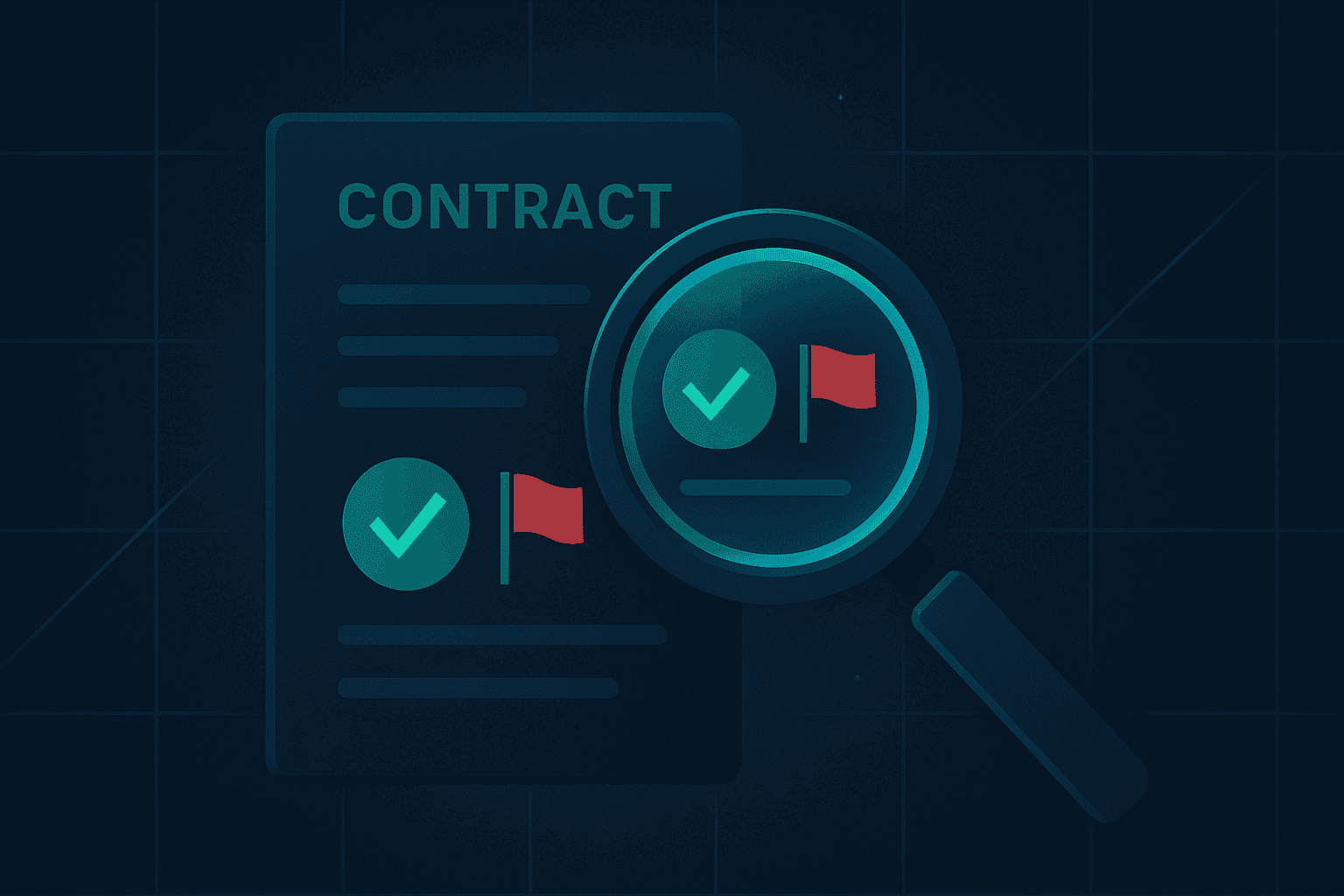
Red Flags Checklist
If a prop firm displays three or more of these warning signs, proceed with extreme caution:
- Less than 2 years old: New firms haven't proven they can sustain payouts long-term
- No Trustpilot presence or very few reviews: Legitimate firms accumulate hundreds of reviews quickly
- Trustpilot score below 3.5: Consistent negative experiences from real traders
- Rules designed to fail: Impossibly tight drawdowns, hidden rules, or vague language that allows arbitrary account termination
- Unclear payout process: No published payout schedule, methods, or minimum amounts
- No regulated entity: Firm has no identifiable legal registration or corporate address
- Payout complaints: Multiple reports of denied or delayed payouts on forums and social media
- Anonymous ownership: No public CEO, leadership team, or company registration
- Too-good-to-be-true terms: 100% profit split, instant funding with no evaluation, or free accounts
- No community presence: No active Discord, no social media engagement, no trader testimonials
The Case For: Why Legitimate Firms Exist
Despite the scams, the prop firm model is economically sound and many firms operate with genuine integrity. Here's why:
The math works for honest firms. If a firm charges $200 for evaluations and 80% of traders fail, they collect $800 from 4 failed attempts for every $200 evaluation they fund. Even paying out 90% of profits to successful traders, the firm generates substantial revenue from evaluation fees alone.
Reputation drives revenue. In a competitive market with 50+ firms, reputation is everything. Firms that consistently pay traders attract more evaluations through word-of-mouth. Firms that deny payouts lose customers quickly. Market forces incentivize legitimate behavior.
Verifiable payout evidence. Top firms like Topstep and Apex Trader Funding publicly report aggregate payout statistics. Individual traders regularly share payout screenshots on social media and YouTube. The evidence of real payouts is abundant and verifiable.
Green Flags: Signs of a Legitimate Firm
- 3+ years in operation: Has survived market cycles and maintained payouts
- Trustpilot 4.0+ with 500+ reviews: Consistent positive trader experiences
- Active Discord community: Real traders discussing strategies and sharing results
- Regular public payouts: Traders posting payout confirmations on social media
- Transparent rules: Clearly documented requirements with no hidden conditions
- Registered business entity: Identifiable corporate registration and legal address
- Known leadership: CEO and team visible on LinkedIn and company website
- Multiple payout methods: Bank wire, crypto, Wise — legitimate firms offer options
- Responsive support: Real customer service that resolves issues within days
The "Designed to Fail" Argument
Critics argue that even legitimate firms design rules to maximize evaluation failures. There's partial truth here — trailing drawdowns, consistency rules, and minimum trading days do make evaluations harder. But these same rules serve a legitimate purpose: identifying traders who can manage risk consistently.
A 10-15% pass rate doesn't prove fraud. Medical board exams, bar exams, and CFA tests all have low pass rates. Difficulty isn't evidence of dishonesty — it's evidence of a genuine skill assessment.
However, if a firm changes rules retroactively, adds undisclosed conditions, or interprets ambiguous language against traders, that crosses the line from difficulty into deception.
How PropScorer Monitors Firm Legitimacy
PropScorer tracks multiple legitimacy indicators for every firm in our database:
- Monthly Trustpilot score tracking and trend analysis
- Payout report monitoring across social media and forums
- Rule change documentation and historical comparison
- Business registration verification
- Community sentiment analysis
Our PropScorer Score weights reputation and track record heavily. Firms with payout problems or trust issues receive lower scores regardless of their pricing or features.
Protecting Yourself
Start small. Your first evaluation should be with an established firm on a small account. Verify the entire process — evaluation, funding, trading, payout — before committing significant money.
Document everything. Screenshot your rules at the time of purchase. Save all correspondence. Record your trading platform showing rule compliance. If a dispute arises, documentation is your strongest defense.
Diversify across firms. Don't put all your evaluations with one firm. Spreading across 2-3 reputable firms reduces your exposure to any single firm's potential issues.
The Bottom Line
Prop firms as a concept are not scams. Specific firms within the industry absolutely are. Your job is to distinguish between them using the criteria above. Stick with established, well-reviewed firms, and the prop firm model offers a legitimate path to trading with significant capital that would otherwise be inaccessible.
Frequently Asked Questions
How can I verify if a prop firm is legitimate?
Check Trustpilot (aim for 4.0+ with 500+ reviews), verify their business registration, look for payout proof on social media, and confirm they've been operating for 2+ years. Our PropScorer ratings incorporate all these factors into a single score.
What should I do if a firm denies my payout?
First, review all rules carefully — most payout denials result from genuine rule violations. If you believe the denial is unjust, document everything (screenshots, trade logs) and escalate through customer support. Share your experience on Trustpilot and trading communities. Legitimate firms resolve disputes; scam firms don't.
Are forex prop firms more or less trustworthy than futures prop firms?
Futures prop firms generally have a better track record because they connect to regulated exchanges (CME Group). Forex prop firms operate with dealing desks and have less regulatory oversight, making them slightly higher risk. See our futures vs forex comparison for more context.
What's the safest first firm to try?
Topstep (founded 2012, highest Trustpilot rating) is the safest first choice for beginners. Apex and MyFundedFutures are also well-established. Start with a small account to validate the full process before committing larger investments. Learn how to choose a prop firm.
Trade With Confidence
Browse our database of scored and monitored prop firms. Every firm is evaluated on reputation, track record, and payout reliability so you can make informed decisions.