Regole di Drawdown Spiegate: Il Fattore Decisivo
Le regole di drawdown eliminano più trader delle Prop Firms di qualsiasi altro fattore. Capire i tre tipi di drawdown - trailing, static, ed end-of-day - è assolutamente critico per la sopravvivenza nel trading finanziato. Questa guida fornisce esempi concreti e strategie per ogni tipo.
Per approfondire, leggi come funziona la valutazione, cos’è il drawdown e le regole di coerenza. Può esserti utile anche l’obiettivo di profitto e i giorni minimi di trading.
Cos'è il Drawdown?
Il drawdown misura il calo del valore del vostro conto da un picco a un minimo. Pensateci come il limite massimo di perdita imposto dalla Prop Firm. Se il vostro conto inizia a $50,000 con un drawdown massimo del 5%, non potete permettere che il valore del vostro conto scenda sotto $47,500 in qualsiasi momento durante il trading.
La distinzione critica risiede in come le firme calcolano il valore di picco che determina il vostro limite massimo di perdita. Questo metodo di calcolo - trailing, static, o end-of-day - cambia fondamentalmente il vostro approccio di gestione del rischio.
Drawdown Static: Punto di Riferimento Fisso
Il drawdown static usa il vostro saldo iniziale del conto come punto di riferimento permanente per calcolare le perdite massime. Indipendentemente da quanto profitto fate, il vostro limite di perdita non cambia mai dal calcolo originale.
Esempio: Iniziate con $100,000 e drawdown massimo static del 5%. Il vostro limite di perdita permanente è $95,000. Anche se fate $20,000 di profitti (valore del conto = $120,000), potete ancora scendere fino a $95,000 prima di violare la regola di drawdown.
Timeline Drawdown Static:
- Giorno 1: $100,000 saldo iniziale → $95,000 drawdown max (fisso)
- Giorno 5: $115,000 valore del conto → Ancora $95,000 drawdown max
- Giorno 10: $108,000 valore del conto → Ancora $95,000 drawdown max
- Giorno 15: $96,000 valore del conto → Ancora sicuro (sopra $95,000)
Il drawdown static è il tipo più indulgente perché fornisce un "cuscinetto" permanente di sicurezza. Il vostro trading redditizio crea spazio di buffer che potete utilizzare durante sequenze perdenti senza violare le regole.
Drawdown Trailing: Il Bersaglio Mobile
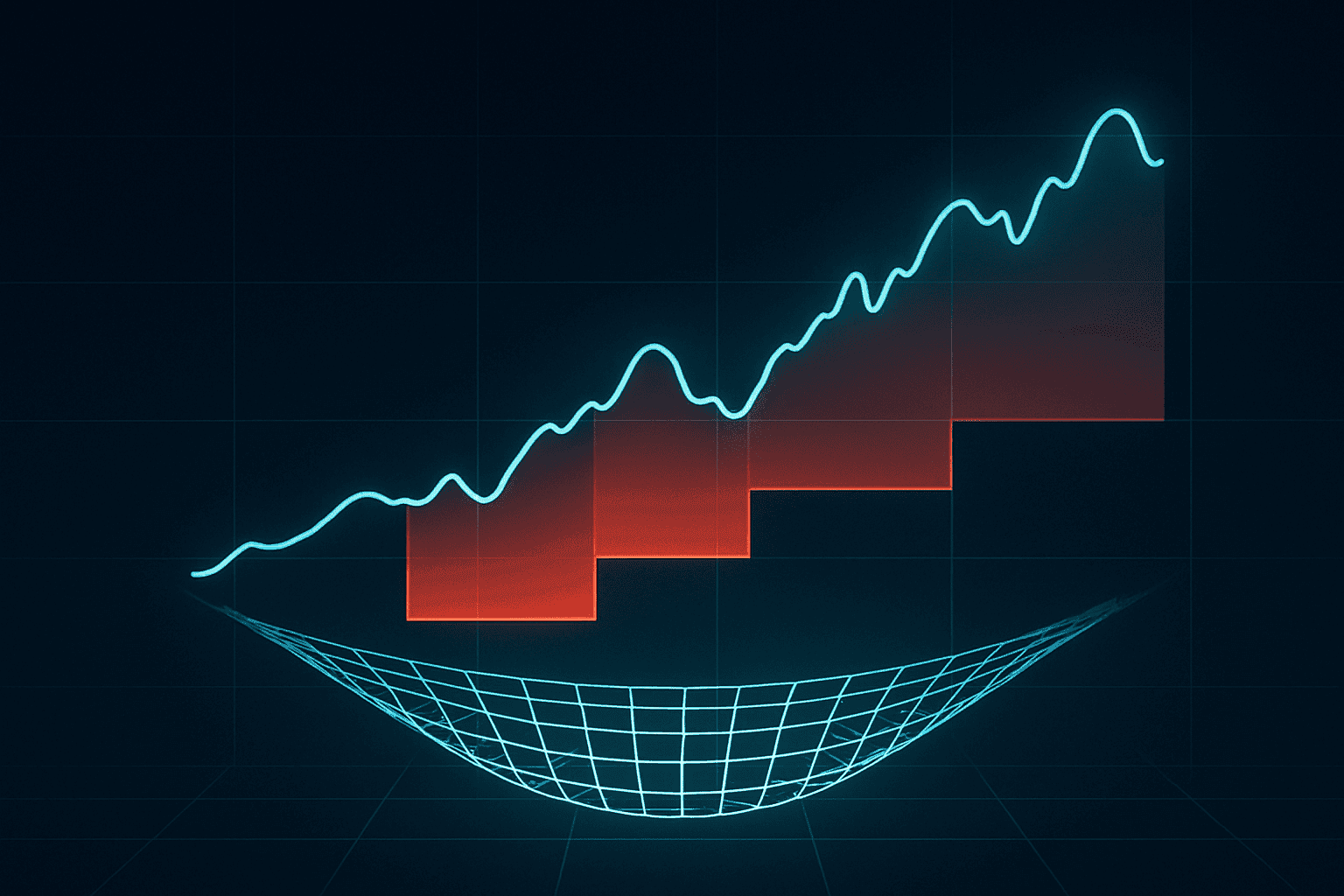
Il drawdown trailing ricalcola il vostro limite massimo di perdita ogni volta che il vostro conto raggiunge un nuovo massimo storico. Mentre fate profitti, il vostro cuscinetto di sicurezza scompare perché il limite di perdita "segue" il valore più alto del vostro conto.
Esempio: Saldo iniziale di $100,000 con drawdown trailing del 5%. Fate $10,000 di profitto, portando il vostro conto a $110,000. Il vostro nuovo limite massimo di perdita diventa $104,500 (5% sotto il vostro nuovo massimo). Il vostro precedente cuscinetto di sicurezza di $95,000 è ora sparito.
Timeline Drawdown Trailing:
- Giorno 1: $100,000 saldo → $95,000 drawdown max
- Giorno 3: $105,000 nuovo massimo → $99,750 drawdown max
- Giorno 7: $112,000 nuovo massimo → $106,400 drawdown max
- Giorno 10: $108,000 attuale → Ancora sicuro (sopra $106,400)
- Giorno 12: $106,000 attuale → VIOLAZIONE (sotto $106,400)
Il drawdown trailing è significativamente più sfidante perché il trading redditizio aumenta effettivamente il vostro rischio. Ogni nuovo picco di profitto elimina il vostro precedente cuscinetto di sicurezza, richiedendo gestione del rischio più precisa.
Drawdown End-of-Day (EOD): Libertà Intraday
Il drawdown end-of-day valuta solo il vostro saldo del conto alla chiusura del mercato, ignorando le fluttuazioni intraday. Potreste temporaneamente andare sotto il vostro limite di drawdown durante il giorno purché finiate sopra di esso alla chiusura del mercato.
Esempio: Conto da $50,000 con limite di drawdown EOD di $47,500. Durante il giorno, il vostro conto scende a $46,000 (sotto il limite), ma vi riprendete a $48,500 alla chiusura del mercato. Non avviene violazione perché conta solo il saldo di chiusura.
Esempio Giornata Drawdown EOD:
- 9:30 AM: $50,000 saldo iniziale
- 11:00 AM: $46,500 (sotto il limite $47,500 - ma OK)
- 2:00 PM: $45,800 (ancora sotto il limite - ma OK)
- 4:00 PM: $48,200 saldo di chiusura (sopra $47,500 - SICURO)
Il drawdown EOD permette strategie intraday più aggressive perché i drawdown temporanei non causano fallimento immediato. Tuttavia, dovete assicurare il recupero prima della chiusura del mercato o affrontare la terminazione del conto.
Classifica di Difficoltà: Qual è il Più Difficile?
1. Drawdown Trailing (Più Difficile): Elimina i cuscinetti di sicurezza mentre diventate redditizi. Richiede il dimensionamento delle posizioni e le strategie di uscita più precise. Il successo aumenta effettivamente il vostro livello di rischio.
2. Drawdown Static (Medio): Fornisce cuscinetti di sicurezza permanenti che rendono più facile la redditività sostenuta. Più indulgente per i trader che sperimentano sequenze vincenti e perdenti.
3. Drawdown End-of-Day (Variabile): La difficoltà dipende dal vostro stile di trading. I day trader beneficiano della flessibilità intraday, mentre gli swing trader potrebbero lottare con il rischio di gap notturno.
Scenari di Trading del Mondo Reale
Scenario 1 - La Sequenza Vincente: Iniziate con $100,000 e fate $15,000 di profitto in due settimane attraverso guadagni giornalieri consistenti.
- Drawdown Static: Ora potete permettervi di perdere $20,000 totali ($115,000 fino a $95,000) prima della violazione
- Drawdown Trailing: Potete permettervi di perdere solo $5,750 ($115,000 fino a $109,250) prima della violazione
- Drawdown EOD: Uguale al static durante sequenze vincenti
Scenario 2 - Il Giorno Cattivo: Dopo trading redditizio, avete un giorno perdente dove tutto va storto.
- Drawdown Static: I vostri profitti precedenti forniscono un grande buffer contro il giorno cattivo
- Drawdown Trailing: I vostri profitti precedenti forniscono protezione minima; il giorno cattivo probabilmente viola le regole
- Drawdown EOD: Avete tutto il giorno per recuperare dalle perdite mattutine
Adattamenti di Strategia per Tipo di Drawdown
Per Drawdown Trailing: Usate dimensioni di posizione più piccole mentre diventate redditizi. Considerate di prendere profitti parziali più frequentemente per bloccare i guadagni. Evitate di mantenere posizioni durante eventi di notizie ad alto impatto che potrebbero causare grandi movimenti avversi.
Per Drawdown Static: Potete permettervi dimensionamento di posizione più aggressivo dopo aver stabilito profitti. Il cuscinetto di sicurezza permette rischi di trade individuali più grandi mentre il vostro conto cresce.
Per Drawdown EOD: Le strategie di scalping intraday funzionano bene poiché le perdite temporanee non contano. Tuttavia, assicuratevi di avere strategie di recupero affidabili prima della chiusura del mercato.
Dimensionamento Matematico delle Posizioni
Calcolate dimensioni di posizione sicure basate sul vostro cuscinetto di drawdown attuale. Con drawdown trailing su conto da $100,000 a valore attuale di $115,000 (5% trailing = limite $109,250), il vostro cuscinetto è solo $5,750. Se state operando NQ con movimento medio di $2,000 per contratto, la vostra dimensione massima di posizione dovrebbe essere 2 contratti (rischio $4,000) per rimanere sicuramente sotto il limite.
Padroneggia la Gestione del Drawdown
Usate il nostro visualizzatore di drawdown per capire come diversi tipi influenzano il vostro spazio di trading. Praticate il calcolo delle vostre dimensioni massime di posizione prima di rischiare vere tasse di valutazione.